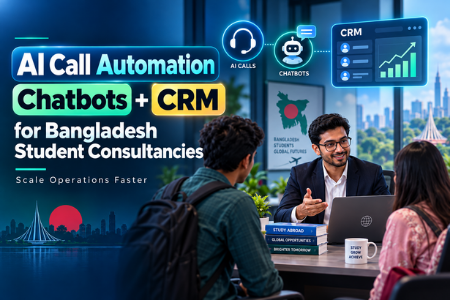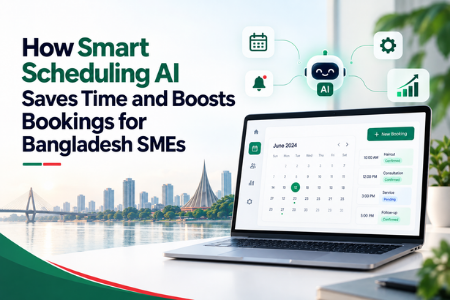
Advanced Marketing Automation uses artificial intelligence to streamline personalized multi-channel campaigns across email, SMS, WhatsApp, and social media. It automatically segments audiences, nurtures leads using real-time behavior tracking, scores prospective clients, and delivers targeted messages at the optimal time to maximize customer lifetime value and marketing ROI.
Understanding Advanced Marketing Automation
Managing customer communications across multiple platforms can quickly overwhelm a growing team. Modern buyers expect tailored experiences, fast replies, and clear communication. Manual outreach often leads to missed opportunities, inconsistent messaging, and lost revenue.
Advanced Marketing Automation resolves these operational bottlenecks by using smart workflows and artificial intelligence. Rather than sending generic blast messages, automated systems evaluate user behavior, online activity, and past buying habits. This allows your business to reach leads with relevant solutions precisely when they show buying intent.
Integrating automated systems helps your business maintain an active presence across email, social channels, SMS, and messaging platforms. The primary objective is simple: simplify outreach, organize data, and support your team so they can focus on build trust with clients.
How AI Enhances Customer Journeys
Today's consumers interact with brands through various touchpoints before making a purchase. A potential client might view a social media post, browse your website, open an email, or message your team on WhatsApp. Tracking these actions manually is difficult and inefficient.
AI marketing automation connects these fragmented channels into unified, automated customer journeys. When a visitor views a product page or downloads a resource, the system registers that interest immediately. It can automatically send a helpful follow-up email, deliver an SMS reminder, or assign a follow-up task to a sales representative.
- Expert Tip: Marketing workflows function best when designed around user needs rather than sales targets. Focus on delivering relevant value at each step to build lasting customer trust.
By delivering timely messaging based on real user actions, your brand maintains engagement naturally. For additional insights on practical implementation, read about how marketing automation improves customer engagement.
Key Components of Modern Marketing Automation
Implementing intelligent workflows involves several core features designed to save time and optimize marketing investments:
- Dynamic Audience Segmentation: Automatically divide your audience based on location, buying history, engagement level, and preferences.
- Behavior-Based Lead Nurturing: Trigger specific email sequences or messaging workflows based on real-time link clicks, web visits, or content downloads.
- Automated Lead Scoring: Assign numerical values to leads based on engagement activity. This helps your team prioritize high-intent prospects quickly.
- Multi-Channel Synchronization: Connect WhatsApp, SMS, email, and web chat into one coordinated platform to keep messaging consistent.

The table below outlines how traditional manual outreach compares with an automated marketing strategy:
Human + AI: Empowering Your Marketing Team
A common misconception is that marketing automation replaces staff members. In practice, AI supports employees by handling repetitive administrative tasks, allowing human strategy and creativity to shine.

AI handles repetitive operational work, such as sending confirmation notices, tagging new contacts, and scheduling routine posts. This grants your marketing personnel more time to develop creative campaigns, refine messaging, and handle complex customer requests.
When your team combines technical automation tools with genuine human connection, productivity increases significantly while operating expenses decrease. This balanced strategy helps businesses scale outreach while keeping their communications personal, authentic, and effective.
Local Context: Bangladesh Market Trends in 2026
The commercial sector in Bangladesh is moving rapidly toward digital transformation. Small and medium enterprises (SMEs) across Dhaka, Chattogram, and Sylhet are adopting automated operational workflows to serve digital-first consumers.
Local businesses face distinct communication expectations. Platforms like WhatsApp and direct SMS play a major role in buyer decisions alongside conventional email channels. Connecting these tools into an integrated platform helps local companies resolve inquiries quickly, nurture prospects, and maintain strong customer relationships.

Using smart workflows helps local businesses maintain steady client communication across time zones and service channels, improving overall customer satisfaction and operational efficiency.
Ready to elevate your business? Discover how Power in AI can simplify your operations, improve team productivity, and support your long-term growth objectives.
External Reference Sources
- Google Search Central
- HubSpot Research
- McKinsey & Company
- OpenAI Development Documentation
People Also Ask (PAA)
What is advanced marketing automation?
Advanced marketing automation uses technology and artificial intelligence to manage complex multi-channel campaigns. It automates audience segmentation, lead scoring, and customer outreach based on user behavior.
How does marketing automation improve customer engagement?
It delivers timely, relevant messages across preferred channels like WhatsApp, SMS, and email based on precise actions users take on your platform.
Does AI replace human marketers?
No, AI supports employees by managing repetitive, manual administrative tasks. This allows human marketers to focus on creative strategy, brand positioning, and complex relationship building.
Which channels can be automated using marketing software?
Modern platforms automate outreach across email, WhatsApp, SMS, social media platforms, web chat, and integrated phone systems.
What is lead scoring in marketing automation?
Lead scoring assigns numerical values to prospective clients based on their interactions, helping sales teams identify high-priority prospects efficiently.
How does automated audience segmentation work?
It groups contacts dynamically using specific rules, such as browsing behavior, purchase history, geographic location, and demographic profile data.
Can small businesses in Bangladesh benefit from marketing automation?
Yes, local SMEs can save time, improve response speeds on popular channels like WhatsApp, and scale operations without needing extra administrative staff.
What is the difference between basic and advanced marketing automation?
Basic automation handles simple scheduled emails, whereas advanced automation uses dynamic behavior tracking, multi-channel logic, AI insights, and real-time CRM updates.
How does marketing automation lower operating costs?
It reduces manual labor, eliminates repetitive data entry tasks, and streamlines campaign deployment, lowering administrative overhead.
How do I start implementing automated marketing workflows?
Begin by evaluating your current customer conversion paths, organizing your CRM contact data, selecting key engagement channels, and building clear trigger-based communication journeys.
Frequently Asked Questions (FAQs)
1. What primary problem does advanced marketing automation solve?
It eliminates disconnected customer communication, manual data entry errors, and slow sales follow-ups. By connecting your communication channels into one organized hub, your team never misses a high-intent prospect or critical follow-up task.
2. How does behavior-based lead nurturing work?
When a visitor views a product, clicks an email link, or requests pricing details, the system registers the action immediately. It then sends tailored, relevant messages designed to answer questions and guide the prospective buyer forward naturally.
3. Is marketing automation difficult for non-technical teams to manage?
No, modern systems use intuitive visual workflow builders that don't require technical coding experience. Once configured, your team can easily update templates, review performance analytics, and adjust workflow triggers.
4. How does WhatsApp integration fit into automated campaigns?
In messaging-focused markets like Bangladesh, automated WhatsApp tools send instant booking receipts, transactional updates, product reminders, and support messages, keeping conversations quick and direct.
5. How does marketing automation support overall business growth?
By managing lead nurturing, client follow-ups, and audience segmentation automatically, your team can handle significantly more interactions without compromising communication quality or customer service.
6. What role does CRM play in marketing automation?
Your CRM serves as the central operational hub. It logs user interactions, sales updates, and communication logs, ensuring every message delivered aligns with the customer's history.
7. How long does it take to see operational results?
Basic follow-up sequences and instant message responses deliver immediate efficiency gains. Comprehensive journey optimizations typically show strong performance metrics within 30 to 90 days.
8. How can we ensure automated outreach still feels personal and human?
By combining detailed audience segmentation with dynamic messaging fields, your communications address specific needs and behaviors directly, avoiding generic or repetitive broadcast templates.