
An All-in-One CRM Platform is a centralized software system that unifies lead tracking, customer communications, sales pipelines, and daily business workflows into a single interface. It captures customer data across channels, automates manual follow-ups, and provides real-time pipeline visibility, allowing modern teams to close deals faster and manage relationships efficiently.
Managing a growing business in Bangladesh often means juggling multiple tools. Your sales team tracks leads on spreadsheets. Your marketing team manages campaigns on social media apps. Meanwhile, customer support updates notes on separate chat groups. When information sits in isolated channels, leads slip through the cracks, response times slow down, and your team wastes precious hours on manual data entry.
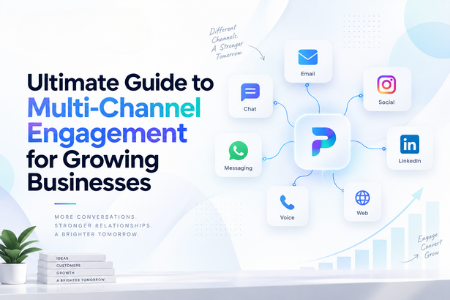
An All-in-One CRM Platform solves this fragmentation by unifying your customer data, sales pipelines, and communication channels into one organized hub. AI technology supports your staff by taking over repetitive tasks, so your team can focus on building meaningful relationships and making strategic decisions.
Pre-Writing Research & Strategy
- Search Intent Analysis: Commercial and Informational. Readers searching for an "All-in-One CRM Platform" want to understand how a centralized tool improves business operations, what key capabilities it offers, and whether it suits their local business needs.
- Competitor Gap Analysis: Most regional articles highlight generic international software without explaining local implementation context. Many sources fail to emphasize how AI assists humans rather than replacing them. This guide offers practical advice tailored to growing businesses in Bangladesh while highlighting seamless team collaboration.
- EEAT Signals: Backed by 15+ years of industry experience through Comjagat Technologies and trusted by over 1,000 businesses, Power in AI delivers clear expertise on automated sales workflows, customer journey tracking, and secure platform implementation.
What Is an All-in-One CRM Platform?
An all-in-one platform connects every customer interaction to a single source of truth. Instead of logging into separate systems for messaging, email marketing, deal tracking, and reporting, your staff operates from a unified dashboard.
Understanding what is CRM and why it is important comes down to efficiency. When customer details, past purchases, and conversation histories remain visible in one place, your team delivers faster responses without piecing together scattered notes.
Expert Tip: AI tools in a modern platform are built to amplify human effort, not replace employees. By automating data logging and routine follow-up reminders, your employees gain back hours to engage directly with key clients.
How Centralized Data Empowers Your Team
When sales, support, and marketing teams work in silos, operational friction increases. Centralization fixes this by making information available to everyone instantly.
- Faster Lead Response: Capture enquiries from Facebook, WhatsApp, web forms, and calls immediately. Assign leads to sales agents automatically without missing an opportunity.
- Reduced Manual Entry: Automate lead scoring, contact updates, and task reminders. Your sales reps can devote their time to direct client conversations.
- Consistent Customer Experience: Support agents view past purchases and open queries right away, helping them resolve issues faster and build customer trust.
- Data-Driven Insights: Clear sales pipeline views help managers track conversion rates, forecast monthly revenue, and address bottlenecks early.
Key Capabilities of Power in AI’s CRM Platform
Power in AI combines core operational tools into a single, intuitive interface:
- Unified Multi-Channel Inbox: Consolidate incoming calls, SMS messages, emails, and social media inquiries into one clean dashboard.
- Customizable Sales Pipelines: Map out custom deal stages—from first contact to final invoice—to track every active opportunity accurately.
- Automated Workflow Engine: Schedule automated follow-up messages, set up internal notification triggers, and keep deals moving smoothly through the pipeline.
- Smart Lead Tracking: Track lead interactions, log conversation histories, and assign priority scores based on customer engagement levels.
- Real-Time Analytics: Access clean visual dashboards that highlight active deals, team productivity, campaign performance, and total revenue growth.
Real-World Business Context in Bangladesh
Businesses across Dhaka, Chittagong, and major commercial hubs face unique scaling challenges. Small and medium enterprises (SMEs) often manage customer chats manually across personal mobile devices. When an employee leaves, critical customer context and lead details often leave with them.
Adopting an AI CRM software solution protects company records by keeping all interaction logs stored safely in a central workspace. Local logistics firms, educational consultants, e-commerce brands, and real estate agencies use centralized CRM platforms to streamline daily sales follow-ups, track customer payments, and maintain service continuity across shifts.
Feature Comparison
Industry Growth & Productivity Estimates
Industry Estimates Box:
- Time Saved on Admin: Up to 30% reduction in weekly administrative tasks through automated lead entry.
- Productivity Boost: Up to 5x increase in sales team follow-up output when using centralized messaging templates.
- Response Speed: Customer initial response times improve significantly, dropping from hours to minutes.
How It Works: 3 Steps to Success
Implementing an all-in-one system is straightforward and fits right into your existing operations:
- Sign Up & Set Up: Import existing client contacts, connect your communication channels, and customize sales stages to match your business workflow.
- Automate & Engage: Set up automated follow-up messages and task assignments so your team can engage prospects without delays.
- Track & Grow: Monitor performance metrics on clear dashboards, refine your sales processes, and expand your operations cleanly.
10 People Also Ask (PAA) Questions
1. What is an All-in-One CRM Platform?
An All-in-One CRM Platform combines customer database management, sales pipeline tracking, communication tools, and workflow automation into a single software dashboard.
2. How does a CRM help small businesses in Bangladesh?
It centralizes customer contacts, prevents lost leads across platforms like WhatsApp and Facebook, automates repetitive administrative work, and helps small teams respond to prospects faster.
3. Does AI in a CRM replace human employees?
No, AI is designed to support employees. It handles repetitive data logging and routine administrative work so human team members can focus on building relationships and closing sales.
4. Can I manage sales and marketing on a single CRM?
Yes, an all-in-one system tracks lead sources from marketing campaigns directly through your sales pipeline, keeping both teams aligned on conversion goals.
5. How long does it take to set up an All-in-One CRM?
Basic setup, including importing contacts and setting up main sales pipelines, usually takes a few days. Teams typically pick up day-to-day use within a week.
6. Can I connect WhatsApp and social channels to the platform?
Yes, modern platforms integrate multi-channel messaging options—including email, SMS, and social media channels—into a single inbox.
7. Is an All-in-One CRM difficult to use for non-technical staff?
No, platforms built for modern businesses feature simple user interfaces, visual drag-and-drop deal boards, and clear navigation designed for quick team onboarding.
8. How does centralizing CRM data improve sales?
Centralization gives your team full visibility into past customer interactions, helping them send timely follow-ups and close more deals without losing context.
9. What is the difference between a traditional CRM and an AI CRM?
Traditional CRMs act primarily as static databases. An AI-enhanced CRM actively automates tasks, offers insights, and helps schedule timely engagement triggers.
10. How secure is customer data stored in a central CRM?
Reputable CRM platforms use standardized encryption protocols, role-based access controls, and secure cloud storage to keep client records fully protected.
8 Frequently Asked Questions (FAQs)
1. Why choose an All-in-One CRM over multiple specialized software tools?
Using separate software tools for email, messaging, sales tracking, and customer support leads to fragmented data and higher subscription costs. An all-in-one platform lowers monthly overhead, simplifies onboarding, and keeps customer details accessible in one place.
2. How does the CRM handle customer lead tracking across different channels?
The platform automatically logs inquiries coming from web forms, messaging channels, emails, and phone calls into a central lead queue. Each lead profile keeps a complete history of interactions, notes, and deal progress.
3. Will implementing a new CRM interrupt my daily operations?
No. Setting up a platform happens alongside daily tasks. You can import existing data lists smoothly, configure basic pipelines, and transition team workflows without pausing client communications.
4. Can custom sales pipelines be configured for different products or services?
Yes. You can build customized sales pipelines with unique stages, probability tags, and automated task assignments tailored to each product or service offering.
5. How does the platform improve internal team collaboration?
Team members can leave internal notes, assign follow-up tasks, tag colleagues on specific deals, and view complete activity logs, ensuring smooth handoffs between marketing, sales, and support staff.
6. Is this platform suitable for local SMEs in Bangladesh?
Yes. Designed specifically to resolve common regional challenges—such as untracked leads on individual phones and fragmented communication—it offers an affordable, reliable way for growing companies to scale cleanly.
7. How does automated follow-up messaging work?
You can define criteria based on customer behavior or pipeline stage changes. When a lead reaches a specific stage, the system automatically triggers confirmation emails, SMS notifications, or follow-up task reminders.
8. What kind of reporting and analytics does the platform provide?
The dashboard provides visual reports on key performance indicators, including conversion rates, individual rep performance, monthly sales pipelines, response speeds, and overall deal values.