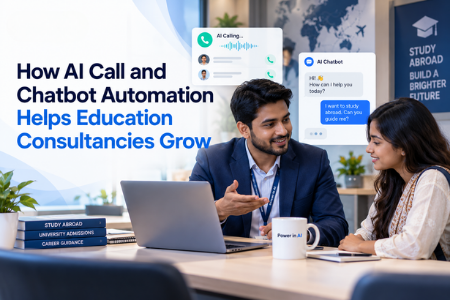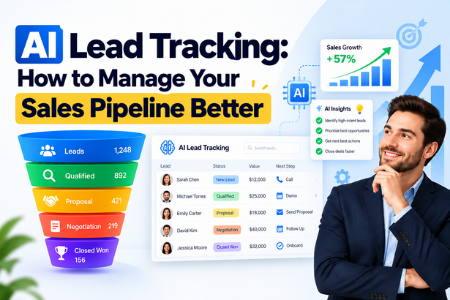

Multi-channel engagement is a strategy that connects all your customer communication platforms—like email, SMS, WhatsApp, and social media—into one unified system. This approach centralizes customer profiles and tracks interactions in real-time, helping businesses deliver the right message on the right channel without losing context across different touchpoints.
Growing a business often means talking to customers in many different places at once. One customer prefers an email, another wants a quick text via SMS, and a third reaches out on WhatsApp. Managing all these conversations manually usually leads to missed messages, slow response times, and frustrated teams.
This is where a unified Multi-Channel Engagement platform changes how you operate. By connecting all your digital channels into one central hub, you can maintain seamless communication. Your human team stays organized, and AI handles the repetitive tracking and routing.
What is Multi-Channel Engagement?
Multi-channel engagement means meeting your customers exactly where they spend their time. Rather than forcing a prospect to call a phone number, you allow them to interact via Facebook Messenger, SMS, or website chat.
The essential piece is the "unified platform." Without a central system, multi-channel just means multiple confusing inboxes. A true strategy brings every channel into one dashboard. This allows your team to see the complete history of a customer's interactions, regardless of which app they used to send their last message. Understanding the vital importance of using multi-channel communication is the first step to improving your overall customer experience.
The Challenge of Fragmented Communication
When businesses rely on disconnected tools, employees waste hours checking different apps. A sales representative might check an email inbox, log into a social media account, and check a dedicated company WhatsApp phone.
This fragmentation causes several issues:
- Lost Context: A customer asks a question on Facebook, then follows up via email. If two different employees answer, the customer has to repeat themselves.
- Slow Responses: Jumping between apps slows down reply times.
- Employee Burnout: Support teams spend more time searching for information than actually helping the customer.
How a Unified Platform Works
A modern engagement platform simplifies the entire process. Here is how it functions in daily operations:
- Centralized Profiles: Every time a lead interacts with your brand, the system logs the event in one central CRM profile.
- Smart Triggering: Based on customer behavior, the system automatically triggers the right message on the most effective channel. If a customer ignores an email, the system might send a gentle SMS reminder.
- Real-Time Tracking: Your team sees every interaction as it happens.
By handling the tracking and triggering automatically, the technology does the repetitive work. This frees your employees to focus on complex questions and closing deals.
Expert Tip: Never treat your channels as separate silos. The goal is a continuous conversation. If a user moves from website chat to email, the transition should feel completely seamless to them.
Why Bangladesh SMEs Need Multi-Channel Support
In the Bangladesh market, consumer habits blend traditional and digital methods heavily. A business in Dhanmondi or Gulshan cannot rely on just one channel. Customers expect rapid responses on WhatsApp and Facebook Messenger for daily inquiries, while formal proposals still happen over email.
Adopting a multi-channel approach allows local SMEs to serve a diverse customer base efficiently. You can run automated engagement campaigns that touch all these platforms simultaneously, supporting your team as they manage a high volume of inquiries during peak hours.
Human and AI Collaboration in Communication
At Power in AI, we believe technology should amplify your human team, not replace them. Automated communication tools are here to support employees.
When an AI system handles initial routing, basic FAQs, and follow-up reminders, it significantly increases efficiency. We see businesses achieve up to a 5x productivity boost because their sales staff no longer manually copy and paste standard replies. Instead, humans step in when the conversation requires empathy, negotiation, or complex problem-solving. AI handles the repetitive work so humans can focus on high-value tasks.
Core Business Benefits
Implementing a unified communication strategy directly impacts your bottom line.
- Increase Productivity: Centralized inboxes save time and prevent duplicated effort.
- Reduce Costs: Companies can see up to a 30% cost reduction in customer support operations by automating basic interactions.
- Improve Customer Experience: Faster, context-aware replies make customers feel valued and understood.
- Smarter Decisions: Comprehensive data from all channels helps you understand which platforms drive the highest conversions.
Channel Best Practices Comparison
Industry Estimate: Research from groups like the Aberdeen Group suggests that companies with strong omnichannel customer engagement strategies retain an average of 89% of their customers, compared to 33% for companies with weak omnichannel strategies.
Choosing the Right Channels
You do not need to be on every single platform, just the ones your audience actually uses. Start by integrating your most active channels into your CRM. If your business runs mostly on Facebook and WhatsApp, connect those first. Once your team is comfortable with the unified dashboard, you can expand to SMS and website chat.
People Also Ask
What is multi-channel engagement?
It is a strategy that uses multiple communication platforms (email, social media, SMS) to interact with customers. A unified approach connects all these channels into one system.
How does a multi-channel CRM work?
It pulls messages from different platforms into a single dashboard. This allows your team to read and reply without switching apps.
Is multi-channel the same as omnichannel?
They are similar, but omnichannel implies a perfectly integrated experience where data flows seamlessly between all channels, which is the goal of a unified platform.
Will automated engagement replace my support team?
No. Automation handles repetitive tracking, basic routing, and simple replies, so your support team can focus on complex, meaningful interactions.
Can I use WhatsApp for business engagement?
Yes. WhatsApp is highly effective for quick engagement, and when connected to a unified platform, it becomes a powerful part of your official communication strategy.
How does multi-channel save time?
Employees no longer waste time searching multiple apps for past conversations. Everything is visible in one centralized customer profile.
What channels should a small business use?
Focus on where your customers are. For many, a combination of Email, WhatsApp, and Facebook Messenger is a strong starting point.
How do you measure multi-channel success?
Track metrics like average response time, conversion rates per channel, and overall customer satisfaction scores.
Does multi-channel engagement reduce costs?
Yes. By increasing efficiency and automating repetitive follow-ups, businesses can manage more customers without needing to immediately hire extra staff.
Is it difficult to set up?
Modern platforms are designed to be user-friendly. Most systems offer straightforward integration processes (Sign Up, Automate, Track).
Frequently Asked Questions
1. How does centralizing customer profiles improve sales?
When your sales team has the full context of a lead's journey—knowing they clicked an email, visited the website, and sent a WhatsApp message—they can tailor their pitch perfectly. This context builds trust and drives higher conversions.
2. Can AI really understand which channel is most effective?
Yes. Smart platforms track engagement rates. If a customer consistently opens SMS messages but ignores emails, the system can automatically prioritize SMS for future critical alerts.
3. What happens if a customer messages us on two different platforms at once?
A unified platform merges these interactions into the same customer timeline. Your team will see both messages in one place, preventing duplicate replies and confusion.
4. How does this help human employees work better?
It removes the frustration of scattered data. Employees feel supported when technology organizes their workflow, allowing them to have better, more informed conversations with clients.
5. Is a multi-channel strategy suitable for B2B companies?
Absolutely. While B2C often focuses on social media, B2B companies use multi-channel engagement to align email outreach, LinkedIn messaging, and phone follow-ups in a structured sales process.
6. Do I need technical skills to run this platform?
No. Platforms like Power in AI are built for business owners and marketing teams, requiring no coding skills to set up automated messaging flows.
7. How does multi-channel engagement help build brand trust?
Consistency builds trust. When a customer receives the same high-quality, context-aware service whether they email you on Monday or text you on Friday, they view your brand as reliable and professional.
8. Can I schedule messages across different platforms in advance?
Yes. You can plan campaigns that trigger a promotional email on Tuesday and automatically send a follow-up SMS on Thursday only to those who did not open the email.
.png)